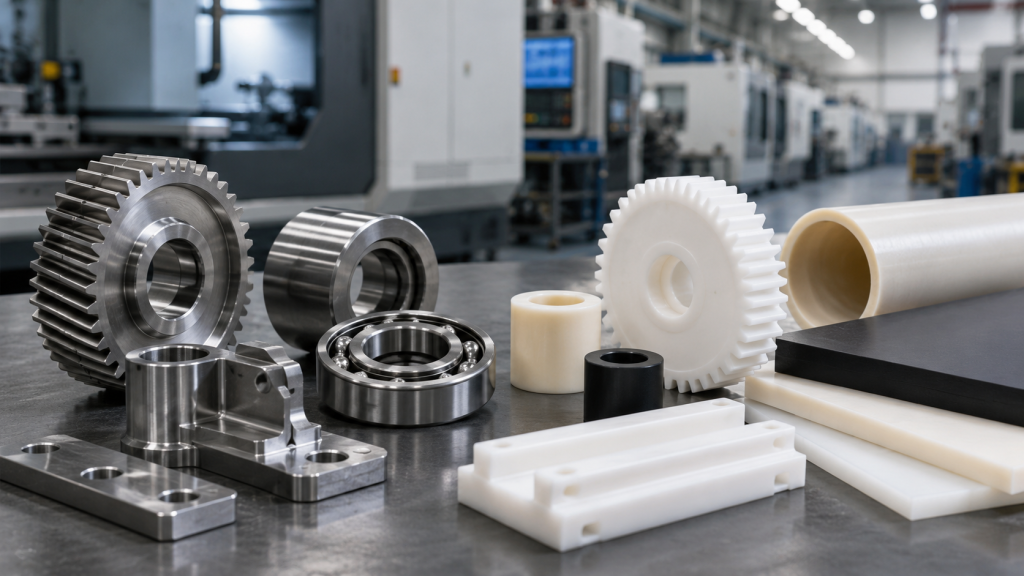


Rhenium (Re) is a refractory metal that possesses an exclusive combination of physical, mechanical and chemical properties. Consequently, Re and its alloys are considered high-performance engineering and coating materials in a diverse range of defense and civilian industries that include aircraft and aerospace, energy, nuclear, electrical, chemical production, and biomedical. Rhenium has the second highest melting point of all metals, the third highest Young’s modulus of elasticity, the fourth highest density, one of the highest strain hardening exponents, a low coefficient of friction, a high hardness, and superior tensile strength and creep-rupture strength over a wide temperature range compared to the other refractory metals. It is resistant to a wide range of harsh environments, does not possess a ductile-to-brittle transition at subzero temperatures, and does not form carbides while the wettability between rhenium and carbon is good and the solubility of carbon in rhenium is relatively high.
These properties imply that structures made of Re have excellent mechanical stability and rigidity, and they enable the design of parts with thin sections. It can also be concluded that Re is extremely attractive for high-temperature structural and energy system applications. In the aircraft industry, Re is used as a coating for face seal rotors, in air turbine starter components for gas turbine engines, as a diffusion barrier (e.g., on top of graphite), and as an alloying element in a Ni-Al-based superalloy for vanes and in a niobium-based alloy for advanced jet engines. Rhenium is also an attractive material for missile propulsion and space systems, e.g. in in nozzles for both solid and liquid rocket engines. NASA has reported the development of iridium-coated Re rocket chamber technology, allowing an increase in satellite life from 12 to 15 years, and gaining 30–60 M$ in the added revenue per satellite.
Rhenium suffers from two main limitations: (1) It has become one of the ten most expensive metals, and (2) its fabrication is time and energy intensive using current commercial methods. Chemical vapor deposition
(CVD) has been the most commonly used coating technology. Near-room temperature electroplating using non-toxic aqueous bath chemistries has shown promise as an alternative to apply uniform Re and Re alloy coatings on complex shapes. Unfortunately, Re belongs to a group of metals that are difficult to produce by electrolysis of their aqueous solutions.
In this work we will review our fundamental and applied research on electrochemical deposition (both electroplating and electroless plating) of rhenium-based alloy coatings on different substrates. This research was funded by the US Air Force Office of Scientific
esearch (AFOSR) and the Israel Department of Defense
Noam Eliaz1 and Eliezer Gileadi2
פרסום

1Department of Materials Science and Engineering
2School of Chemistry, Tel-Aviv University
.